Kirjoittaja: Rajan V K
Nykypäivän nopeasti muuttuvassa liiketoimintamaailmassa data ei ole enää vain eilisen tapahtumien tallennus, vaan se on myös peili, joka voi heijastaa nykyisyyttä ja jopa kristallipallo, joka voi ennustaa huomisen. Juuri tässä on kyse siitä, että Tekoäly (AI) ja Digitaaliset kaksoset tulee, ja missä Nexpert auttaa yrityksiä muuttamaan nämä teknologiat käytännöllisiksi työkaluiksi älykkäämpiä, nopeampia ja kestävämpiä toimintoja varten.
Tekoäly: aivot, jotka oppivat liiketoiminnastasi
Ajattele tekoälyä nopeasti oppiva assistentti joka ei koskaan nuku. Se tarkkailee yrityksesi päivittäisiä toimintoja, oppii malleista ja alkaa antaa ehdotuksia, kuten milloin varastoja on täydennettävä, missä on pullonkauloja tai miten toimitusaikatauluja voidaan parantaa. Kuvittele esimerkiksi tuotantolinjasi kiireiseksi keittiöksi. Tekoäly seuraa, miten ainesosia (dataa) käytetään, kuinka kauan kukin ruokalaji (tehtävä) kestää ja milloin tarvikkeet loppuvat. Ajan myötä siitä tulee tarpeeksi älykäs suosittelen reseptejä jotka säästävät aikaa, vähentävät jätettä ja parantavat johdonmukaisuutta. Tekoäly auttaa yrityksiä tekemään parempia päätöksiä, mutta se tarkastelee pääasiassa tietoja menneisyydestä ja nykyhetkestä. Entä jos voisimme mennä askeleen pidemmälle ja testata tulevaisuutta ennen kuin se tapahtuu?
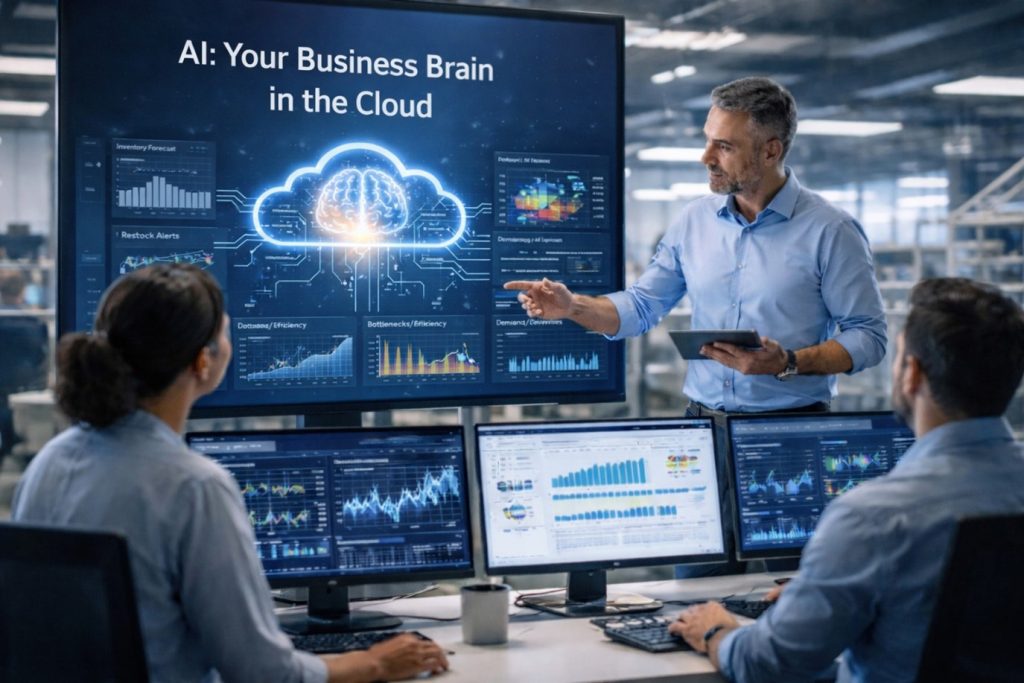
Digitaalinen kaksonen: Yrityksesi peilimaailma silloista rakennuksiin, älykkäin työkalu, johon jokainen teollisuudenala pian tukeutuu.
Muutama vuosi sitten ajatus fyysisen esineen virtuaalisesta kopiosta kuulosti futuristiselta. Nykyään digitaalisista kaksosista on pikkuhiljaa tulossa yksi käytännöllisimmistä työkaluista eri toimialoilla, ja ne auttavat organisaatioita näkemään omaisuutensa uudella tavalla. Digitaalisen kaksosen vahvuus on sen yksinkertaisuudessa: sen avulla voimme ymmärtää reaalimaailmaa virtuaalisen mallin avulla, joka pysyy yhteydessä reaaliaikaiseen dataan. Sen sijaan, että organisaatiot arvaavat, mikä voi mennä pieleen, ne voivat tarkkailla ongelmien muodostumista etukäteen ja tehdä päätöksiä luottavaisin mielin. Nexpertillä olemme kehittyvien teknologioiden parissa tekemässämme työssä havainneet, että digitaaliset kaksoset ovat yksi aliarvostetuimmista mutta tehokkaimmista teollisuus 5.0:n mahdollistajista, erityisesti siksi, että ne asettavat ihmisen, turvallisuuden ja kestävyyden teknologisen edistyksen keskiöön.
Digitaalinen kaksoisolento ymmärretään parhaiten elävänä digitaalisena versiona jostakin fyysisestä kohteesta: sillasta, rakennuksesta, koneesta tai jopa työtilasta. Virtuaalinen kopio päivittyy automaattisesti, kun anturit tuottavat uutta tietoa. Tämä luo jatkuvan virtauksen fyysisestä ympäristöstä digitaaliseen esitykseen, mikä mahdollistaa ongelmien havaitsemisen varhaisessa vaiheessa, tapahtumien visualisoinnin ja parempien työskentelytapojen tutkimisen. Digitaalisista kaksosista tekee todella erityisiä se, että ne yksinkertaistavat monimutkaisuutta. Pitkien teknisten raporttien tai tarkastussyklien sijaan organisaatiot saavat selkeän visuaalisen mallin, joka reagoi olosuhteiden muuttuessa. Voit nähdä kuuman pisteen syttyvän, tarkkailla rakenteellista rasitusta, seurata lämpötilan vaihtelua tai havaita epätavallisen värähtelyn kauan ennen kuin niistä tulee kalliita korjauksia.
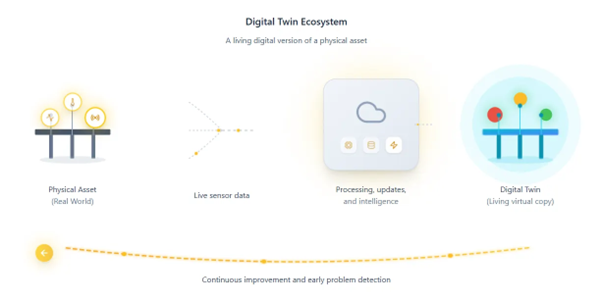
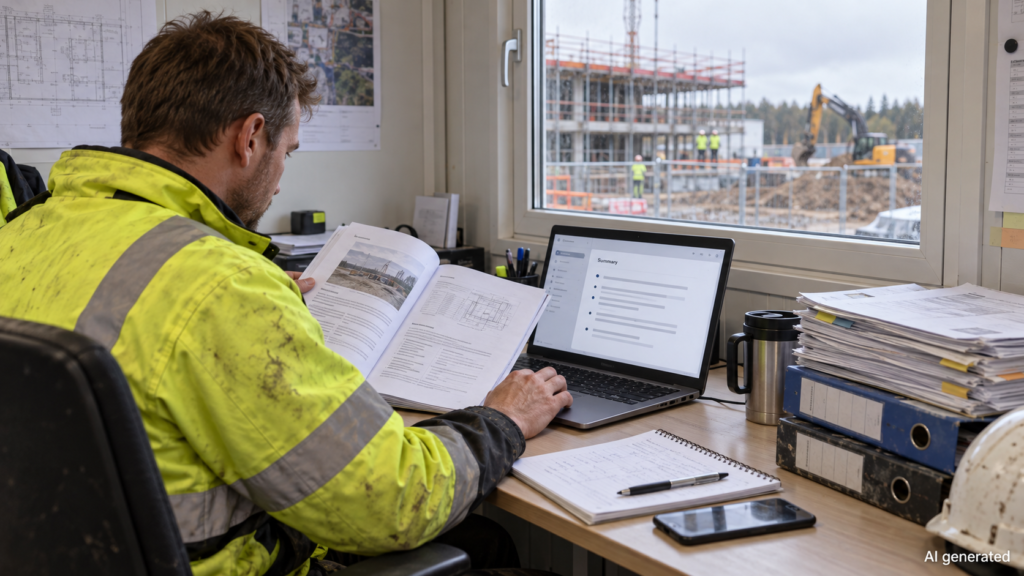
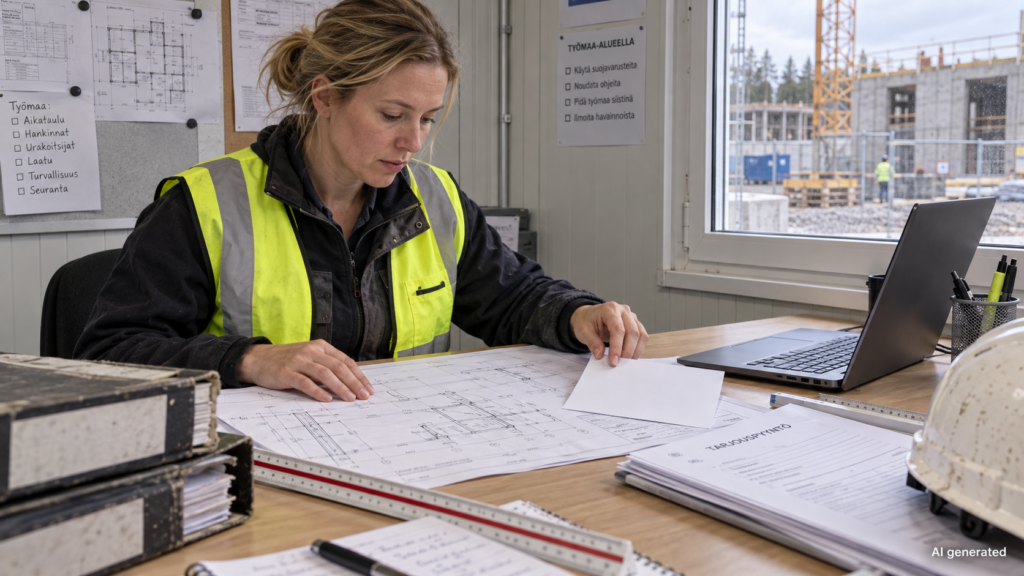
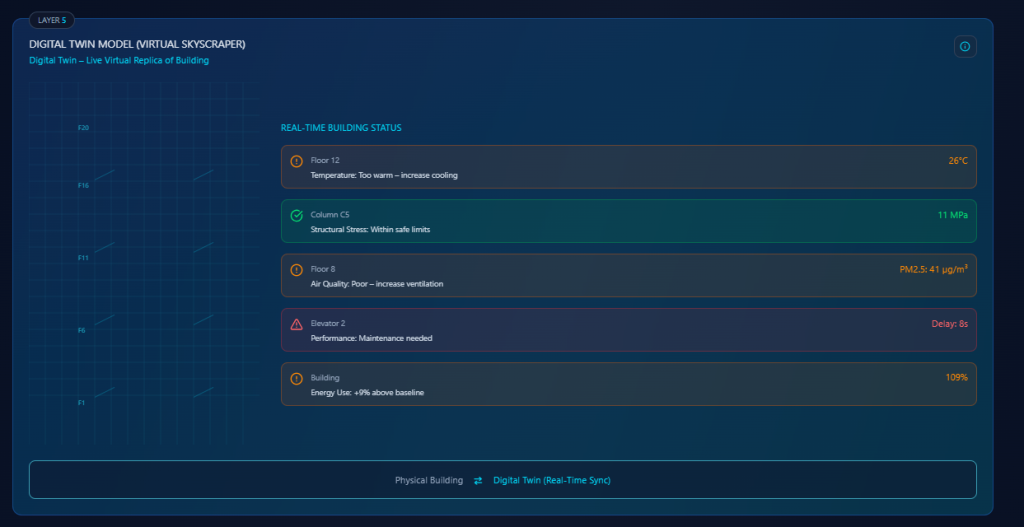
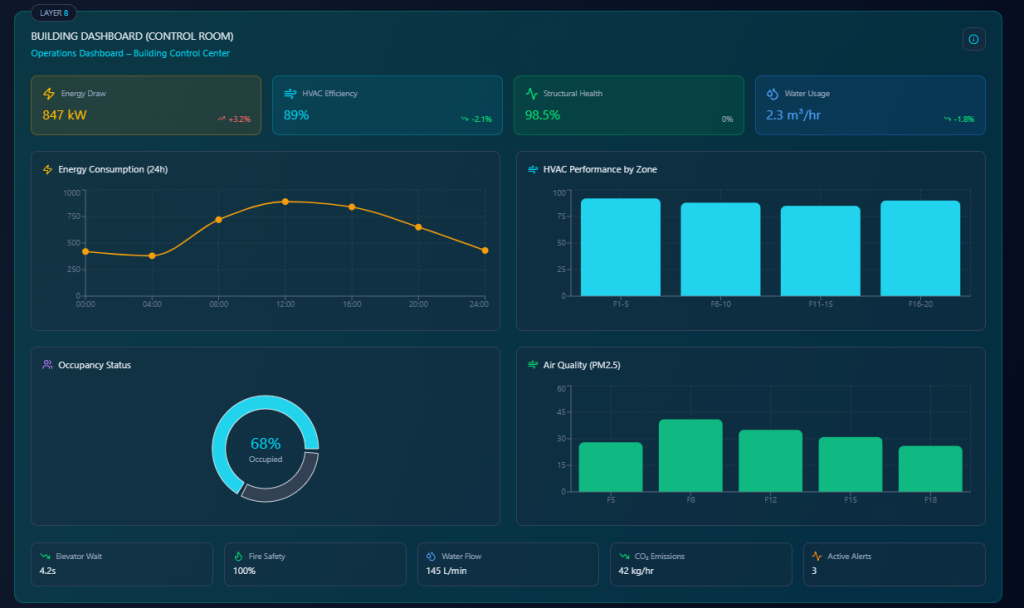
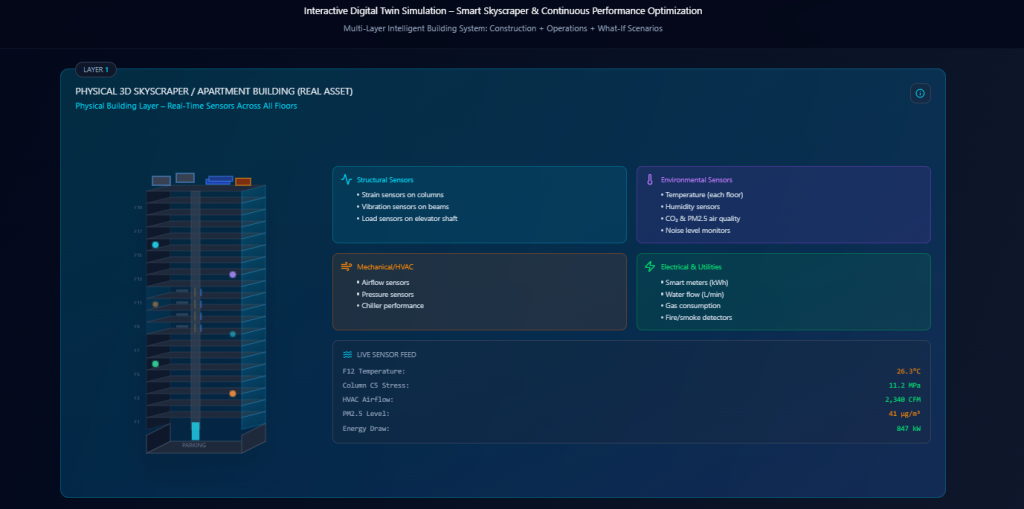
Jotta ymmärtäisit, miten tämä toimii käytännössä, kuvittele rakenteilla oleva rakennus. Rakennuksessa tapahtuu joka päivä hienovaraisia muutoksia: betoni kovettuu, lämpötila nousee ja laskee, kosteus vaikuttaa pintoihin, raskas kalusto liikkuu ja työntekijät liikkuvat muuttuvissa olosuhteissa. Digitaalisen kaksosen avulla nämä näkymättömät prosessit tulevat näkyviin. Kriittisiin kohtiin sijoitetut anturit lähettävät jatkuvaa tietoa rasituksesta, kosteudesta ja ympäristöolosuhteista. Digitaalinen malli päivittyy itsestään ja näyttää, missä kohtaa kovettuminen saattaa olla hitaampaa, mitkä alueet tarvitsevat vahvistusta tai milloin tärinän taso nousee työntekijöiden turvallisuuden kannalta epämiellyttävälle tasolle. Rakentajan ei tarvitse odottaa viivästystä tai ongelman syntymistä; virtuaalimalli varoittaa ajoissa ja auttaa tiimiä toimimaan oikeaan aikaan (Klikkaa tätä nähdäksesi keskeiset ideat sen taustalla: 3D pilvenpiirtäjä Digital Twin Simulaatio).
Sama lähestymistapa voi muuttaa tapaa, jolla liikennesiltoja ylläpidetään. Sillan kunnon arvioiminen vaatii yleensä kalliita tarkastuksia ja vuosikymmenten käsityökokemusta. Digitaalisen kaksosen avulla jopa yksinkertainen joukko edullisia antureita voi paljastaa, onko rakenteeseen syntymässä halkeamia, onko se kärsinyt jäätymis- ja sulamisvaurioista tai onko se käsitellyt raskasta liikennettä tavalla, joka lisää pitkäaikaista rasitusta. Digitaalinen malli toimii kuin fyysisen rakenteen jatkuva kumppani. Kun värähtelytaajuus muuttuu hieman, se osoittaa sillan tarkan kohdan, jossa jäykkyys on muuttunut. Jos lämpötila ja kosteus nousevat herkällä alueella, malli näyttää mahdollisen riskialueen. Insinöörit ja päätöksentekijät eivät enää luota oletuksiin, vaan näkevät sillan todellisen käyttäytymisen selkeän, intuitiivisen käyttöliittymän kautta.
Yksi digitaalisten kaksosten mielenkiintoisimmista eduista on se, että ne tukevat päätöksentekoa muillakin kuin huoltotoimenpiteillä. Ne auttavat yrityksiä optimoimaan toimintojaan, vähentämään energiankulutusta, suunnittelemaan älykkäämpiä aikatauluja ja parantamaan kestävyyttä. Kun digitaalinen malli oppii, miten järjestelmät käyttäytyvät, se voi myös ehdottaa parempia toimintatapoja. Esimerkiksi tehtaassa se voi suositella koneiden ajoituksen säätämistä sähkönkulutuksen vähentämiseksi ruuhka-aikoina. Rakennushankkeessa se voi näyttää, miten tehtäviä voidaan järjestää turvallisempien työnkulkujen aikaansaamiseksi. Julkisessa infrastruktuurissa se voi auttaa määrittämään oikean korjausajankohdan, jolloin vältetään sekä ennenaikainen kunnossapito että kalliit hätätoimenpiteet.
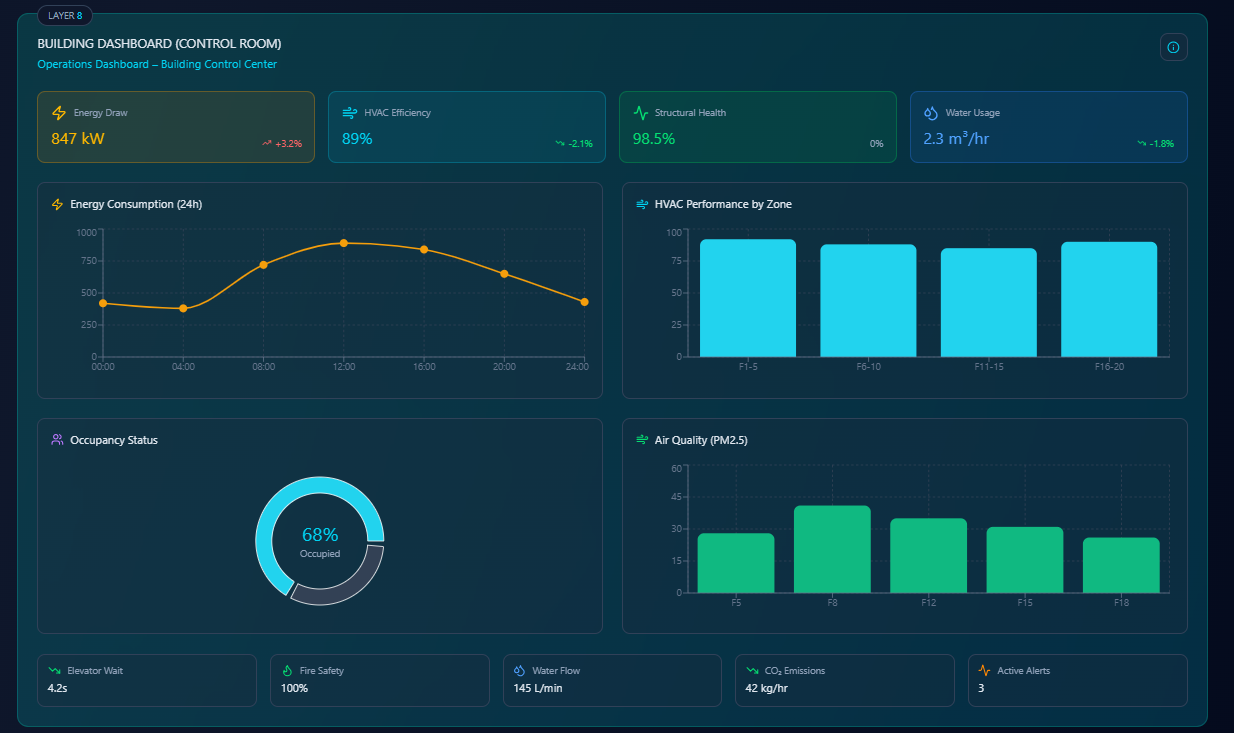
Arvo tulee vielä selvemmäksi, kun sykli päättyy. Kojelaudalta saadut tiedot ohjaavat toimintaa reaalimaailmassa, korjausta, vahvistusta, parametrien säätöä, aikataulumuutosta, ja fyysinen parannus näkyy välittömästi digitaalisessa mallissa. Tämä edestakainen virtaus luo suljetun silmukan, jossa oppiminen ei lopu koskaan. Kaksonen tarkkailee, analysoi ja informoi jatkuvasti, kun taas organisaatio mukautuu ja parantaa jatkuvasti. Tällä tavoin digitaaliset kaksoset sopivat täydellisesti teollisuus 5.0:n visioon, jossa teknologia tukee ihmisen arviointikykyä sen sijaan, että se korvaisi sen. Työntekijät saavat enemmän tietoa, ympäristöstä tulee turvallisempi ja toiminnasta tulee sujuvampaa, ja kaikki tämä vähentää kustannuksia ja ympäristövaikutuksia.
Kaikki toimialat voivat hyötyä tästä muutoksesta. Tuotantolinjat voivat vähentää seisokkiaikoja ja parantaa tuotantoa. Logistiikkatoiminnot voivat seurata liikkeitä reaaliaikaisesti ja suunnitella työnkulkuja älykkäämmin. Rakennusyritykset voivat toteuttaa turvallisempia ja ennustettavampia projekteja. Kunnat voivat ylläpitää infrastruktuuria tehokkaammin. Pienetkin yritykset voivat aloittaa yksinkertaisilla ja edullisilla pilottihankkeilla, joissa käytetään fotogrammetriaa, edullisia antureita ja ilmaisia pilvityökaluja, ja rakentaa ensimmäisen digitaalisen kaksosensa ilman suuria investointeja.
Nexpertin tehtävänä on auttaa organisaatioita ottamaan nämä ensimmäiset askeleet selkeästi ja luottavaisesti. Digitaalisten kaksosten ei tarvitse olla monimutkaisia tai kalliita tuottaakseen arvoa. Kun ne yhdistetään oikeaan ohjaukseen, käyttäjäystävällisiin työkaluihin ja ihmiskeskeiseen näkökulmaan, niistä tulee käytännöllinen tapa ymmärtää omaisuutta, optimoida päätöksiä ja rakentaa kestäviä, joustavia toimintoja tulevaisuutta varten.
Tiedoista päätöksiin: Tekoälyn ja digitaalisten kaksosten voima yhdessä
Tekoäly ja digitaalinen kaksoisteknologia täydentävät toisiaan täydellisesti.
Jos tekoäly on aivot, digitaalinen kaksonen on aivojen keho se valvoo, yhdessä ne aistivat, oppivat ja toimivat.
- Tekoäly analysoi tietoja ja löytää piilotettuja kuvioita.
- Digitaalinen kaksonen simuloi toimia näiden oivallusten perusteella.
- Yritys oppii jatkuvasti, nopeutta, kustannustehokkuutta ja kestävyyttä.
Tämä yhdistelmä muuttaa teollisuudenaloja valmistuksesta ja logistiikasta rakentamiseen ja energiaan luomalla järjestelmiä, joilla voidaan ennakoida ongelmia ennen niiden syntymistä ja optimoida prosesseja automaattisesti.
Haaste: Teknologia ilman strategiaa on pelkkää melua.
Monet yritykset innostuvat uusista digitaalisista työkaluista, mutta huomaavat nopeasti, että teknologian ostaminen ei ole sama asia kuin yrityksen muuttaminen. Se, mikä usein puuttuu, on strategia, ymmärtäminen jossa, miksi, ja miten nämä teknologiat luovat arvoa. Tässä vaiheessa konsultointiasiantuntemuksesta tulee välttämätöntä. Ennen digitaalisen kaksosen rakentamista tai tekoälyn käyttöönottoa yritysten on vastattava:
- Mitä prosessiongelmia olemme ratkaisemassa?
- Onko meillä oikeat tiedot?
- Miten tämä teknologia sopii ihmisten päivittäiseen työhön?
- Mitä suorituskykytavoitteita yritämme saavuttaa?
Ilman näitä vastauksia digitaalisista työkaluista voi tulla kalliita kokeiluja kasvun moottoreiden sijaan.
Miten Nexpert auttaa yrityksiä kuromaan umpeen kuilun
Osoitteessa Nexpert, uskomme, että teknologian pitäisi palvelee strategiaa, ei päinvastoin. Tehtävämme on auttaa organisaatioita ottamaan nämä ensimmäiset askeleet selkeästi ja luottavaisesti. Digitaalisten kaksosten ei tarvitse olla monimutkaisia tai kalliita tuottaakseen arvoa. Kun ne yhdistetään oikeaan ohjaukseen, käyttäjäystävällisiin työkaluihin ja ihmiskeskeiseen näkökulmaan, niistä tulee käytännöllinen tapa ymmärtää omaisuutta, optimoida päätöksiä ja rakentaa kestäviä, joustavia toimintoja tulevaisuutta varten. Autamme yrityksiä ymmärtää, suunnitella ja toteuttaa tekoäly- ja digitaalisen kaksoisteknologian osana pitkän aikavälin liiketoimintaparannusta.
Näin tuemme B2B-asiakkaitamme:
- Koulutus ja tietoisuus
Yksinkertaistamme monimutkaisia teknologioita työpajojen ja keskustelujen avulla, jotta johtoryhmät ja työntekijät ymmärtävät, mitä tekoäly ja digitaaliset kaksoset todella tarkoittavat. heidän liiketoiminta.
- Strategia ja etenemissuunnittelu
Tunnistamme, missä nämä teknologiat voivat tuottaa eniten arvoa, olipa kyse sitten tuotannon tehokkuudesta, prosessien läpinäkyvyydestä tai kestävyydestä, ja laadimme vaiheittaisen etenemissuunnitelman käyttöönottoa varten.
- Täytäntöönpanokumppanuudet
Nexpert tekee yhteistyötä teknologiatoimittajien ja tutkimuskumppaneiden kanssa tuodakseen jokaiselle asiakkaalle oikeat digitaaliset työkalut ja varmistaakseen, että ratkaisut ovat käytännöllisiä, skaalautuvia ja sopusoinnussa asiakkaan liiketoiminnan tavoitteiden kanssa.
- Suorituskyvyn optimointi ja jatkuva oppiminen
Kun järjestelmä on otettu käyttöön, autamme asiakkaita seuraamaan tuloksia, integroimaan tietoon perustuvaa päätöksentekoa ja kehittämään järjestelmiä ajan myötä.
Lyhyesti sanottuna, muutamme digitaaliset muotisanat liiketoiminnan tuloksiksi.
Tulevaisuus on hybridi: inhimillinen älykkyys kohtaa digitaalisen ennakoinnin
Pelkkä teknologia ei luo muutosta, ihmiset, jotka ymmärtävät, miten sitä käytetään. Siksi Nexpertin tehtävänä on antaa organisaatioille mahdollisuus yhdistää inhimillinen asiantuntemus kanssa digitaalinen ennakointi. Olitpa sitten valmistava pk-yritys, joka haluaa optimoida toimintoja, tai logistiikkayritys, joka tutkii ennakoivaa analytiikkaa, Nexpert voi opastaa sinua tutkimuksesta toteutukseen. Liiketoimintaprosessien optimoinnin tulevaisuus ei ole ihmisten korvaamista, vaan kyse on seuraavista asioista ihmisen päätösten täydentäminen älykkäillä digitaalisilla peileillä jotka näkevät pidemmälle, oppivat nopeammin ja toimivat älykkäämmin.
Luodaan yhdessä digitaalinen tulevaisuutesi
Me Nexpertillä emme vain puhu innovaatiosta, vaan teemme siitä toimivaa. Tiimimme auttaa yrityksiä strategioiden laatiminen, pilotointi ja skaalaaminen Mitattavaa arvoa tuottavat tekoäly- ja digitaaliset kaksosratkaisut. Jos olet valmis tutkimaan, miten yrityksesi voi nähdä toimintansa reaaliajassa, testata skenaarioita virtuaalisesti ja tehdä päätöksiä varmuudella, aloitetaan keskustelu.
Kirjoittajasta: Rajan Kumar V K on väitöskirjatutkija LENS Schoolin tuotantotalouden ja johtamisen laitoksella LUT-yliopistossa. Hänen tutkimusintresseihinsä kuuluvat suorituskyvyn mittaaminen ja johtaminen, uudet teknologiat, digitaalinen muutos, kestävä kehitys ja innovaatiot. Hän keskittyy tutkimaan, miten nämä osa-alueet liittyvät toisiinsa ja miten ne vaikuttavat toisiinsa kestävän suorituskyvyn edistämisessä ja teollisuus 5.0:n tulevaisuuden tukemisessa. Hän tekee yhteistyötä Nexpertin kanssa rakennetun ympäristön digitaalisten kaksosten parissa.
Viitteet:
Batty, M. (2018). Digitaaliset kaksoset. Ympäristö ja suunnittelu B: Kaupunkianalytiikka ja kaupunkitiede, 45(5), 817-820.
Fernandez-Vidal, J., Perotti, F. A., Gonzalez, R., & Gasco, J. (2022). Digitaalisen muutoksen johtaminen: The view from the top. Journal of Business Research, 152, 29-41. https://doi.org/10.1016/j.jbusres.2022.07.020
Franciosi, M., Kasser, M., & Viviani, M. (2024). Digitaaliset kaksoset siltasuunnittelussa virtaviivaistetun kunnossapidon ja paremman kestävyyden edistämiseksi. Automaatio rakentamisessa, 168, 105834. https://doi.org/10.1016/j.autcon.2024.105834
Jasiński, M., Łaziński, P., & Piotrowski, D. (2023). Konsepti siltojen digitaalisten kaksosten luomisesta kuormitustestien avulla. Anturit, 23(17), 7349. https://doi.org/10.3390/s23177349
Mazumder, A., Banerjee, P. S., Karmakar, A., Ghosh, P., De, D., & Song, H. (2023, February). Digitaalinen kaksonen teollisuus 5.0:ssa: visio, taksonomia ja tulevaisuuden suuntaviivat. Teoksessa . Ihmiskeskeistä tietotekniikkaa käsittelevä tohtorikoulutussymposium (s. 246-259). Springer Nature Singapore. https://doi.org/10.1007/978-981-99-3478-2_22
Grieves, M., & Vickers, J. (2016). Digitaalinen kaksonen: ennakoimattoman, ei-toivotun emergentin käyttäytymisen lieventäminen monimutkaisissa järjestelmissä. In Monimutkaisten järjestelmien tieteidenväliset näkökulmat: Uudet havainnot ja lähestymistavat (s. 85-113). Cham: Springer International Publishing. https://doi.org/10.1007/978-3-319-38756-7_4
Singh, M., Fuenmayor, E., Hinchy, E. P., Qiao, Y., Murray, N., & Devine, D. (2021). Digitaalinen kaksonen: Alkuperästä tulevaisuuteen. Sovellettu järjestelmäinnovaatio, 4(2), 36. https://doi.org/10.3390/asi4020036
Vial, G. (2021). Digitaalisen muutoksen ymmärtäminen: A review and a research agenda. Digitaalisen muutoksen hallinta, 13-66. https://doi.org/10.4324/9781003008637
Ye, C., Butler, L., Bartek, C., Iangurazov, M., Lu, Q., Gregory, A., … & Middleton, C. (2019, September). Siltojen digitaalinen kaksonen rakenteellisen kunnon seurantaa varten. In 12th International Workshop on Structural Health Monitoring 2019. Stanfordin yliopisto.
Ota yhteyttä Nexpert miten voimme auttaa sinua johtamaan digitaalisen muutoksen seuraavaa aaltoa.
Aiheet