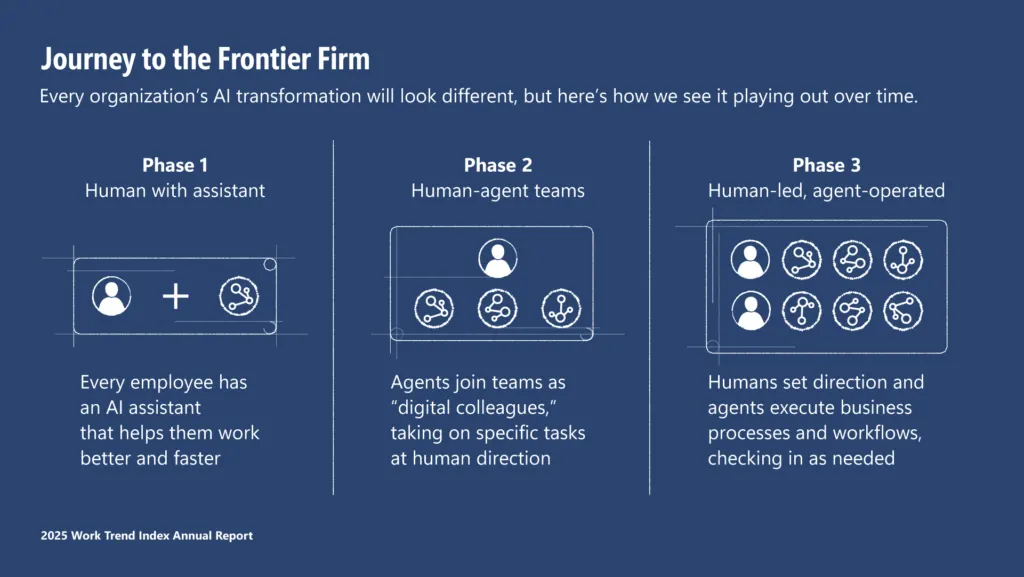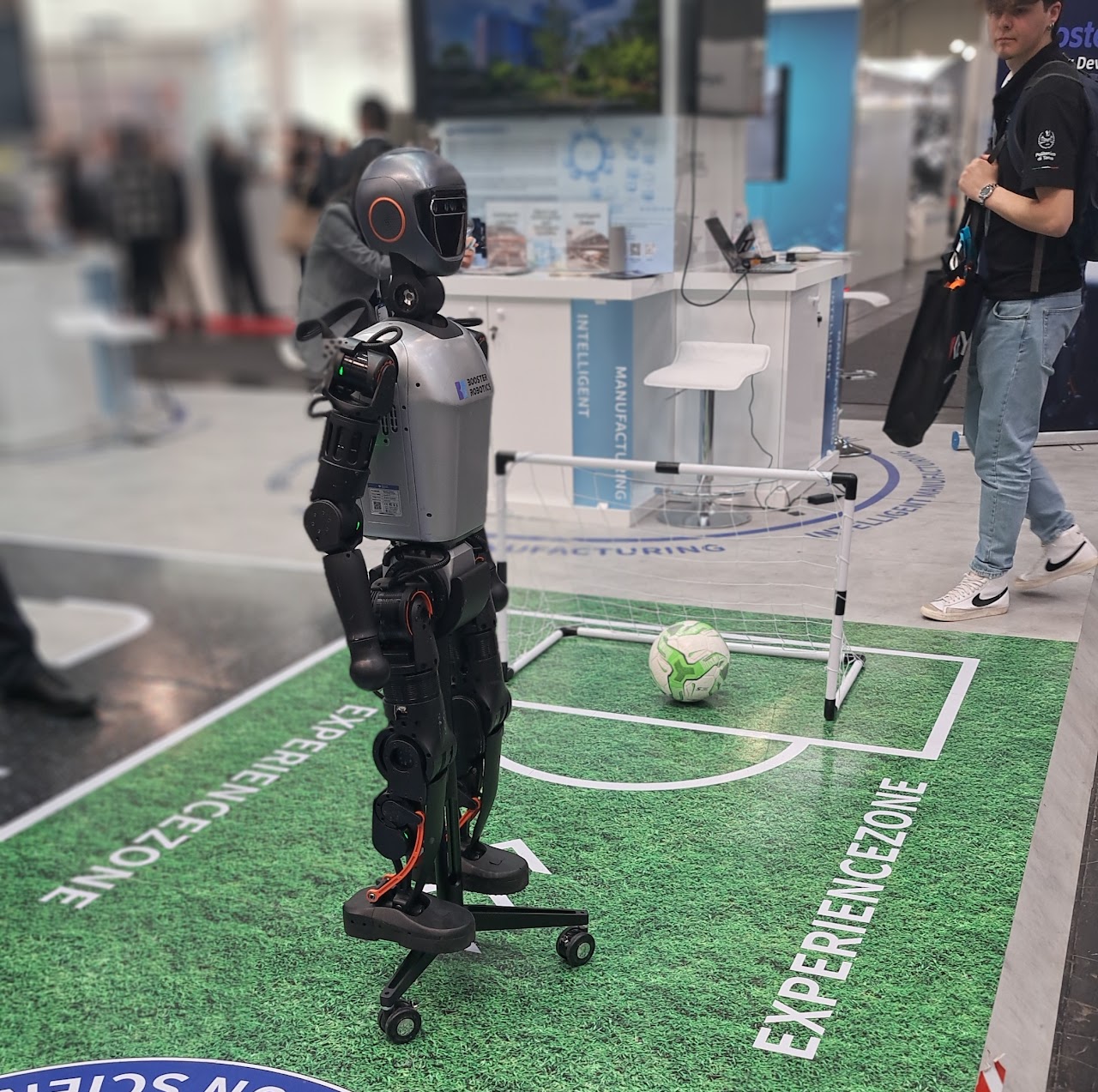
Continuing from Part 1, Hannover Messe 2025 showcased how collaborative robots are moving beyond factory floors:
- Physical Support and Wearable Devices: Exoskeleton-type devices that support workers in lifting and repetitive tasks have promisingly improved ergonomics and reduced injuries.
- Healthcare robotics: Robots designed to assist patient mobility and surgical procedures highlighted the combination of precise mechanics and empathetic interaction.
- Autonomous logistics: Mobile robots once again impressed with their ability to navigate complex environments and support warehouse operations without constant human intervention.
The most attention was paid to safety and ease of use, with user-friendly interfaces and adaptive features ensuring smooth human-robot collaboration. These trends represent a significant shift in how companies view automation: it is not a replacement, but a complement.
Keep an eye out for future posts that examine the business opportunities and challenges of deploying assistive robotics.
Where to buy in Finland? https://yle.fi/a/74-20178714


Filed under